Introduction
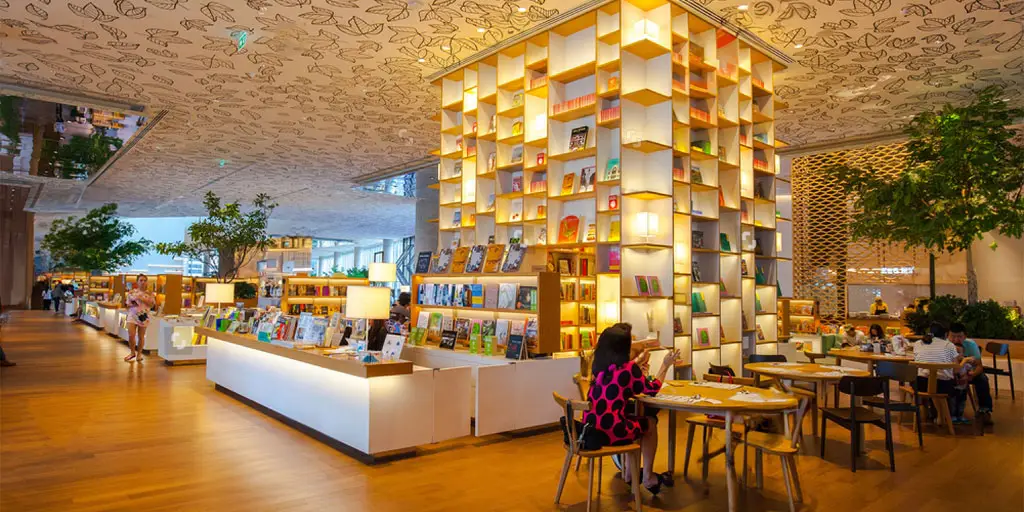
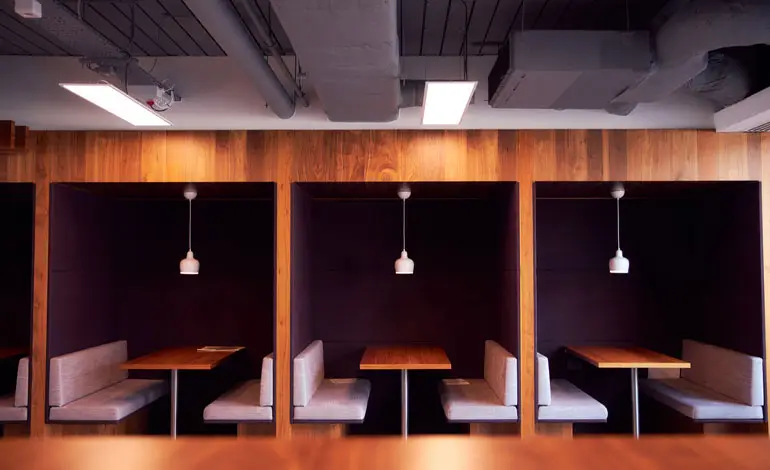
Individuals who value community and social relationships in their living puts have sometimes chosen to reside in shared living arrangements. These shared apartments, also known as shared living environments, offer individuals a chance to reside in a cooperative environment where they can work, relax, and interact with like-minded others. What does the future hold for this housing trend, considering the increasing need for shared living spaces? Let’s explore a few changes and forecasts that affect the shared living environment.
1. Emphasize Environmentally Friendly Design and Sustainability
A significant development supporting the development of shared living is focusing on environmentally conscious construction and sustainability. More than ever, operators of living spaces are incorporating sustainable energy solutions and green building techniques into their projects as awareness of these problems grows. These environmentally conscious initiatives, ranging from setting up panels and rainwater collection systems to using energy-efficient appliances and recycled materials, not only reduce the environmental impact of shared living spaces but also motivate residents to adopt healthier and more sustainable ways of life.
2. Using Innovative Technology
A significant development supporting the development of shared living is focusing on environmentally conscious construction and sustainability. More than ever, operators of living spaces are incorporating sustainable energy solutions and green building techniques into their projects as awareness of these problems grows. These environmentally conscious initiatives, ranging from setting up panels and rainwater collection systems to using energy-efficient appliances and recycled materials, not only reduce the environmental impact of shared living spaces but also motivate residents to adopt healthier and more sustainable ways of life.
3. Customized Living Regions
Residents increasingly search for adaptable solutions that correspond to their interests and lifestyles as shared living arrangements grow increasingly popular. Co-living providers have responded to this growing demand by providing customized living quarters, modular furniture choices, and lease terms that let people modify how they live to suit what they require. Individuals are able to select accommodation that best suits their needs in terms of both cost and lifestyle, whether they prefer to live in a shared suite with roommates or an individual studio apartment.
4. A Concentration on Wellness Projects
In the fast-paced world of today, people who are looking for balance in their life now place a high priority on their health and well-being. Taking note of this trend, co-living providers are including wellness centers and activities in their buildings to enhance people’s mental and emotional health. Living accommodations offer a complete approach to encouraging well-being and health, ranging from fitness centers and yoga studios to meditation areas and wellness workshops. In addition, providing access to shared gardens and outdoor spaces for recreation helps people to enhance their well-being by developing a relationship with nature.
5. Promoting Social Impact and Building Communities
The emphasis on building connections between people and a sense of community among people is at the heart of co-living. In the years to come, we might anticipate coliving spaces to prioritize socially impactful projects and community building activities. Co-living spaces provide community-driven campaigns, planned gatherings, volunteer opportunities, and shared workplaces as means of facilitating members’ interactions, collaboration, and positive community contributions. Living settings that foster a sense of purpose and belongingness allow people to establish significant relationships while contributing to positive change.
In the end, the future for life looks bright, with a special focus on social responsibility and involvement in the community .Co-living sets are designed to change people’s lifestyles by putting a focus on well-being, smart technology, personalized experiences, sustainability, and community building. Coliving is expected to have a bearing on the way city living evolves considering the growing need for choices in housing.