Introduction: Embracing Modern Urban Living
In today’s fast-paced world, urban living is undergoing a significant transformation. Gone are the days when city life meant renting a tiny apartment and enduring long commutes. Instead, the modern lifestyle embraces the dynamic combination of co-living spaces, co-working centers, and serviced flats. This creative combination not only improves convenience but also enhances the urban experience. Residents benefit from community-driven surroundings as well as access to premium amenities in the center of the city when living and working spaces are combined.
The Rise of Co-Living Spaces
Urban life has changed dramatically in recent years, thanks in large part to the introduction of co-living places. These creative housing concepts are altering how city people interact with their surroundings, combining community-driven living with private privacy.
Definition and Concept of Co-living
Co-living entails more than simply sharing a house. It is a modern lifestyle option that combines individual living spaces with shared social areas to foster a sense of community among inhabitants. Co-living is gaining popularity among people of various ages, including young professionals, digital nomads, and retirees. This approach gives individuals comfort through facilities such as private bedrooms and baths while also providing common spaces such as kitchens, lounges, and workplaces to encourage connection and cooperation.
The notion is simple but profound: live and prosper together. Residents decrease their carbon footprint and living costs by sharing common spaces, while also building a supportive community. This reduces the isolation that frequently comes with city life, making urban living more sustainable and enjoyable.
Benefits of Co-Living in Urban Areas
- Co-living has various advantages, especially in metropolitan settings where living expenses are high and space is limited. Here are a few convincing advantages:
Affordability: Co-living reduces the high costs of city living by dividing expenses like rent, utilities, and upkeep among several inhabitants. - Community and Networking: It naturally fosters a thriving community of like-minded individuals, increasing social contact and creating networking possibilities that can lead to both personal friendships and professional relationships.
- Flexibility: These spaces typically have flexible leases, making them suitable for folks who prefer short-term commitments or are constantly on the move owing to jobs or travel.
Amenities and Services: Many co-living locations offer additional services such as cleaning, security, and, in some cases, food planning. They frequently incorporate luxurious amenities such as gyms, pools, and event areas, which would otherwise be too expensive.
Co-living offers an appealing choice for modern city dwellers seeking community, convenience, and cost savings, changing the essence of urban living.
Co-working Spaces: Transforming the Work Environment
Parallel to the rise of co-living, co-working spaces have transformed urban workplaces. These dynamic workspaces address the different demands of today’s workforce, encouraging creativity, cooperation, and productivity.
Evolution and Popularity of Co-working Spaces
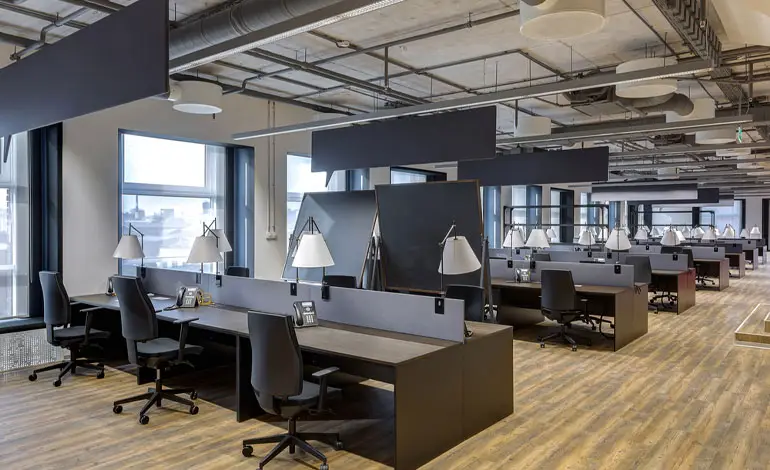
Co-working spaces have grown from basic office rents to sophisticated work environments that meet a wide range of business demands. They were initially popular among freelancers and startups searching for low-cost offices, but they have now become more widely used. Large corporations, distant workers, and entrepreneurs all understand their importance.
The draw is that they are more flexible and affordable than standard office leases. Users have access to professional workspaces that can be scaled up or down as company needs change, without the added cost of long-term agreements. As demand for these spaces increased, so did their diversity, with specialized co-working spaces catering to various businesses and work styles.
Advantages for Freelancers and Entrepreneurs
Co-working spaces provide various benefits to freelancers and entrepreneurs, including:
Networking Opportunities: Because these spaces are hotbeds of invention and entrepreneurship, they are great for network building. Shared spaces bring together a diverse group of professionals who may collaborate on projects, discuss leads, or simply offer advise and support.
Increased Productivity: Working from home can be fraught with distractions. Co-working spaces offer a professional setting that can greatly improve attention and productivity.
Cost Savings: Traditional offices are costly and can come with hidden fees. Co-working spaces provide an affordable option, with utilities, internet, and other expenses included in the fee.
Access to Resources: Co-working environments provide important resources such as high-speed internet and office equipment, as well as meeting rooms and event spaces, that independent workers may not be able to afford.
The Role of Technology in Co-working Spaces
Technology has played an important part in the evolution of co-working spaces. Here’s how it’s influencing the future of various workplaces:
Cloud Services: Having access to cloud-based solutions facilitates seamless collaboration and data storage, allowing remote teams or individuals to work more efficiently.
Smart Scheduling and Payments: Many co-working spaces employ applications to schedule meeting rooms and manage billing, giving users a hassle-free experience.
Improved Connectivity: High-speed internet is now standard in co-working spaces, thanks to advances in network technology that assure dependable, fast connections for all members.
The combination of co-living and co-working spaces is a game-changing approach to urban living, encouraging collaborative and interconnected communities. As cities expand, adopting these modern, adaptable spaces might result in more sustainable and fulfilling urban experiences. Whether you’re a budding entrepreneur or a city dweller searching for a new way to live and work, these locations strike the ideal balance between personal comfort and communal experiences.
The Role of Technology in Co-working Spaces
What Makes Serviced Apartments Unique
Virtual Reality and AI: Some forward-thinking co-working spaces are starting to provide VR and AI capabilities for design, training, and improved virtual meetings. These technological improvements attract tech-savvy employees and provide a competitive advantage.
The combination of co-living and co-working spaces is a game-changing approach to urban living, encouraging collaborative and interconnected communities. As cities expand, adopting these modern, adaptable spaces might result in more sustainable and fulfilling urban experiences. Whether you’re a budding entrepreneur or a city dweller searching for a new way to live and work, these locations strike the ideal balance between personal comfort and communal experiences.
Comparing Traditional Rentals and Serviced Apartments
When comparing typical rentals versus serviced flats, several distinguishing aspects arise that highlight the benefits of the latter:
Flexibility: Serviced apartments have short-term leases, which are great for people who loathe long-term commitments. This flexibility is beneficial to business travelers and remote workers who may relocate regularly or temporarily.
Cost-Effectiveness: While the initial costs of serviced apartments may appear greater than regular rentals, they sometimes include utilities, internet, and amenities. Bundled pricing can lead to long-term savings.
Convenience: Traditional rentals may need time-consuming arrangements such as furniture purchases, utility hookups, and ongoing maintenance duties. Serviced apartments reduce these difficulties, offering a turnkey option for urban living. Security and Privacy: With additional security features and round-the-clock staff, serviced apartments provide a safe living environment that may be more peaceful than some rental flats.
Target Audience and Affordability
Serviced apartment seekers often include young professionals, expats, digital nomads, and corporate executives. These people love the ability to move without being bound by traditional leases, and they appreciate a supportive living environment that accommodates their busy lifestyles.
Affordability in serviced apartments varies greatly based on location, size, and the type of services provided. However, in busy city centers, these flats offer a cost-effective choice for people seeking to combine the vibrancy of city life with the convenience of hotel-like services.
The Synergy: Integration of Living and Working
How Co-Living and Co-working Spaces Complement Each Other
The modern lifestyle has developed to include both work and recreation, making the collaboration between co-living and co-working spaces more important. These locations are intended for people who value community and collaboration.
Co-living solutions provide shared dwellings with individual rooms and common areas. This atmosphere encourages resident contact, resulting in a positive community vibe. Co-working spaces, which are frequently integrated into the same complexes, enable these inhabitants to smoothly move from living to working in only a few steps. Here’s how these models complement each other:
Community Building: Co-living and co-working spaces promote networking, idea sharing, and collaboration among like-minded people seeking personal and professional development.
Resource Sharing: Both designs allow residents and employees to use common resources, including high-speed internet, conference rooms, and presentation capabilities, lowering individual costs.
Work-Life Balance: Residents can easily manage their work-life balance because their professional and living environments are so close together. This arrangement reduces travel time, allowing more time for leisure and self-care.
The modern lifestyle has developed to include both work and recreation, making the collaboration between co-living and co-working spaces more important. These locations are intended for people who value community and collaboration.
Future Trends in Combined Living and Working Spaces
As urban living evolves, numerous tendencies are likely to affect the future of mixed living and working environments:
- Environmental Sustainability: Future developments will focus on environmentally friendly methods, incorporating green technologies into construction and operations to reduce carbon footprints.
- Smart Living Solutions: The rise of smart home technology will extend to co-living and serviced apartment settings, with automated systems enhancing climate control, lighting, and security to improve the resident experience.
-
- Customization and Personalization: As demand for individualized living experiences grows, future spaces will feature customizable design and services to meet individual preferences and demands.
-
- Hybrid Spaces: The distinction between living and working spaces will become increasingly blurred, with more flexibility built into these locations to accommodate dynamic lives. This trend will promote multipurpose rooms that can be used at various times of the day or week.
- Finally, the combination of co-living, co-working spaces, and serviced residences is revolutionizing urban living by providing increased flexibility, higher quality of life, and greater community engagement. As cities expand and diversify, this creative method of living and working is set to become a standard in modern urban architecture.
The future of urban living is being defined by novel ideas such as co-living, co-working spaces, and serviced flats. These innovative solutions provide flexibility, community, and convenience, catering to city inhabitants’ dynamic lifestyles.
Community and Connection: People are no longer simply looking for a place to stay. They’re looking for places where they can connect, cooperate, and thrive together.
Convenience: Urban living is increasingly about combining work, rest, and play within a supporting framework, thereby reducing barriers between these activities.
Cities may reshape their landscapes by embracing these trends, resulting in lively environments that meet the demands of their residents. The combination of co-living, co-working, and serviced housing is a possible path toward cultivating enriched urban experiences.
Pinaki Emerald Stay: Your Perfect Vacation Villa
Because of the hustle and bustle that comes with living in an urban area, many people want a calm retreat. By fusing the ease of contemporary living with the peace and quiet of an opulent holiday villa, we at Pinaki Emerald Stay are redefining what it means to go away from the city.
Our villas, which are tucked away in desirable areas, are made to provide a haven where comfort and style coexist. Every villa has luxurious amenities, roomy living spaces, and tasteful interior design to make you feel pampered while visiting. Pinaki Emerald Stay offers something for everyone, whether you’re searching for a peaceful haven or a lively venue to host guests.
Our villas are ideal for both locals looking for a short staycation and tourists looking to explore the area because they offer convenient access to neighboring attractions. Every element has been carefully chosen to enhance your stay, from private pools and lush gardens for relaxation to cutting-edge kitchens for foodies.
Enter a world where comfort reigns supreme and urban tumult is abandoned. Pinaki Emerald Stay is more than just a holiday home; it’s a place where people enrich their lives and create memories.